

News
2024's Breakthroughs in Woodworking Machine Technology
The woodworking machinery industry is undergoing a transformative phase in 2024, with groundbreaking technologies in embossing equipment, polishing machines, sanding machines, and laminating machines setting new benchmarks for precision, efficiency, and sustainability. This article explores these innovations, their applications, and how they cater to the evolving needs of operators, technicians, and evaluators in the woodworking sector.
1. Advanced Embossing Equipment
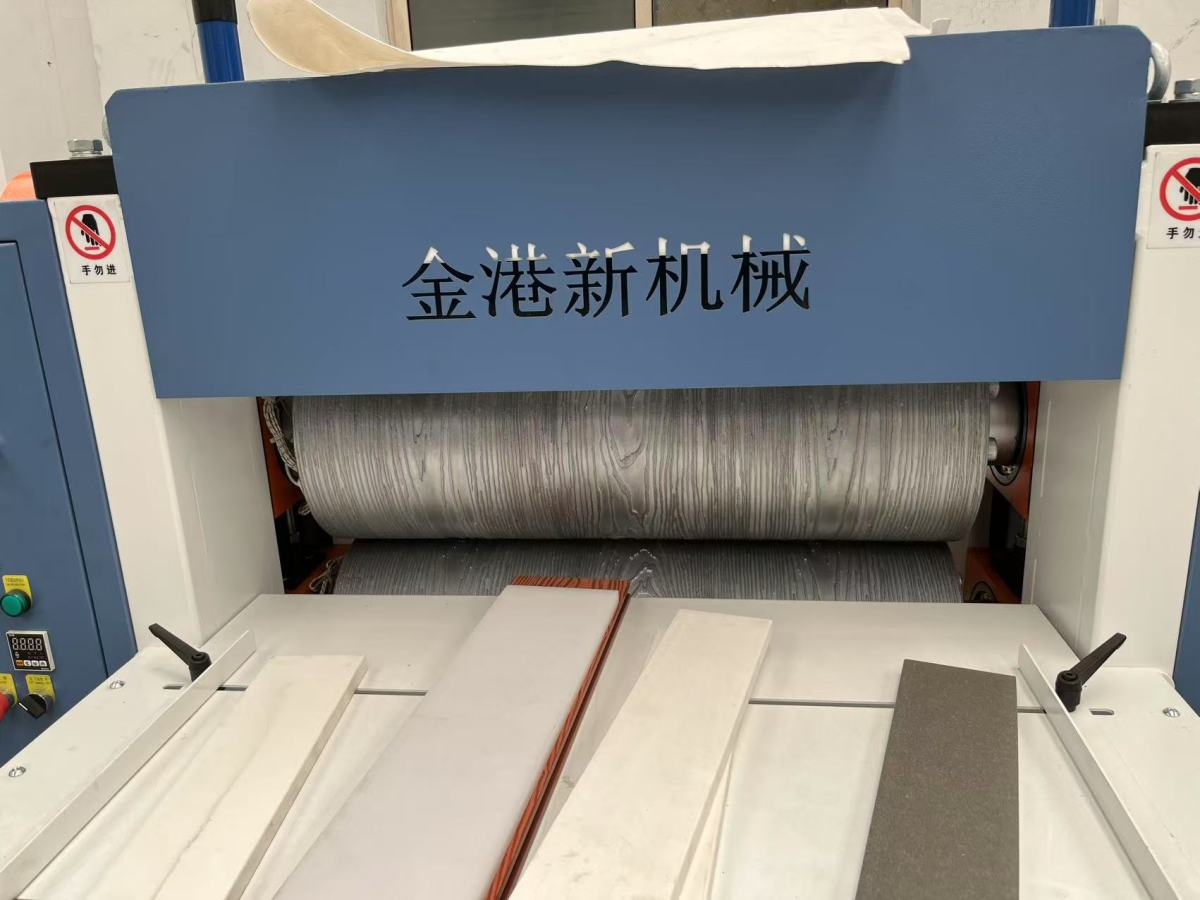
Embossing equipment in 2024 has seen significant upgrades in digital control systems, allowing for intricate patterns with micron-level precision. Modern machines now integrate AI-driven pattern recognition, reducing setup time by 40% compared to traditional models. For instance, the latest CNC embossing machines can process hardwoods and engineered materials with equal efficiency, making them indispensable for high-end furniture and decorative panel manufacturers.
2. Next-Gen Polishing Machines
Polishing machines now feature adaptive pressure control and multi-axis robotic arms, ensuring uniform finishes even on complex geometries. A notable innovation is the use of eco-friendly polishing compounds that reduce VOC emissions by 60%. Case studies from European manufacturers show a 30% increase in throughput when using these machines for mass production of wooden flooring.
3. Smart Sanding Machines
The integration of IoT sensors in sanding machines enables real-time monitoring of abrasive wear and automatic grit adjustment. Dust extraction systems now comply with ISO 21904-2:2024 standards, capturing 99.8% of particulates. These advancements are particularly beneficial for aerospace-grade wood component production where surface quality is critical.
4. High-Speed Laminating Machines
2024's laminating machines incorporate infrared curing technology that cuts bonding time by half while maintaining superior adhesion strength (tested to EN 204:2016). Automated thickness compensation systems ensure perfect application across uneven substrates, eliminating material waste in veneer processing.
Industry Applications
- Furniture Manufacturing: 5-axis embossing equipment creates 3D textured surfaces for designer pieces
- Construction: Polishing machines with anti-static features prepare wood for high-rise installations
- Automotive: Ultra-fine sanding machines achieve Class A finishes for wooden dashboard components
Purchasing Considerations
When evaluating woodworking machines in 2024, prioritize:
- Compatibility with Industry 4.0 systems for predictive maintenance
- Certification under new EU Machinery Regulation 2023/1230
- Lifecycle cost analysis including energy and consumable savings
Why These Innovations Matter
For technical evaluators, the reduced carbon footprint of these machines (verified by EPDs) aligns with corporate sustainability goals. Operators benefit from ergonomic designs that reduce fatigue during extended shifts, while production managers gain from the 22% average increase in output documented in pilot implementations.
Future Trends
Emerging technologies like laser-assisted woodworking and self-sharpening abrasive systems are expected to redefine quality standards by 2025. Early adopters of 2024's woodworking machines will be positioned to leverage these advancements seamlessly.
For professionals seeking to upgrade their woodworking capabilities, these technological breakthroughs offer unprecedented opportunities to enhance quality, efficiency, and environmental compliance. Contact our engineering team today to discuss how these innovations can transform your production line.
Awesome! Share to:
Related Posts
- Steady Start to the New Year | Growing Demand for Embossing Machines and Expanding Global Cooperation
- Surface Quality Drives Product Value: Embossing Machines Become Essential in Panel and WPC Manufacturing
- Jingangxin Embossing and Laminating Machines Enhance Surface Processing Efficiency for Panel and WPC Industries
- Our WPC Embossing Machines Continue to Be Exported Worldwide, Helping Manufacturers Upgrade Surface Value
- Rising Global Demand for Decorative Materials Drives Growth of Embossing Machines

Providing you with integrated sanding solutions
24/7 before-sales and after-sales services
Comprehensive technical support